
Small People, Small Things, and Small Beginnings
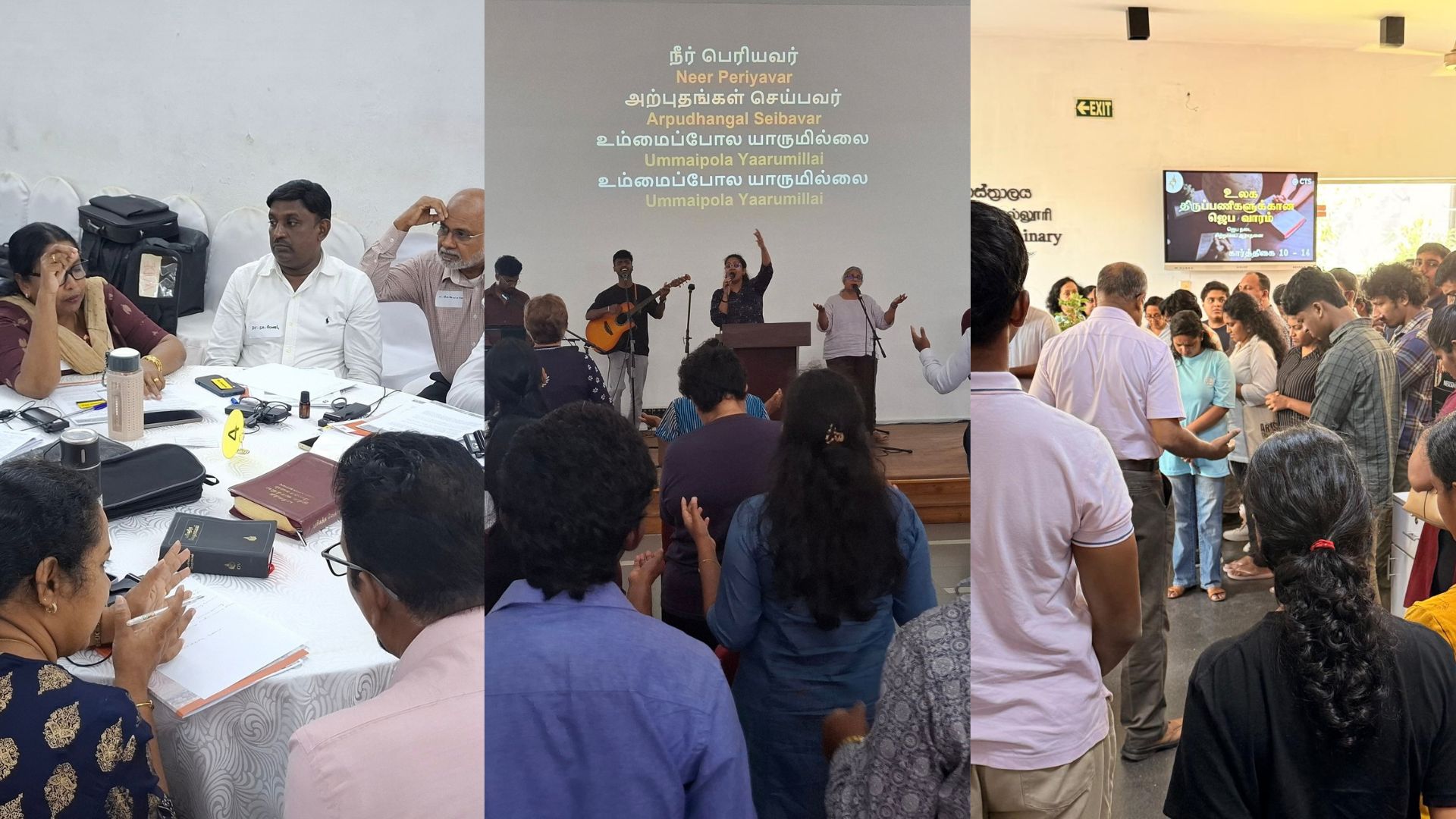
As a Majority World institution, we at CTS are often confronted by the tension between dreaming big and the very real limitations that can make those dreams difficult to accomplish. These limitations may be resources, time, personnel, infrastructure, technology, or any number of other things. Yet we have also realised that, if we are not careful, these realities can lead us into either defeatism or covetousness.
We can easily get caught in a cycle of “what ifs”. What if we had the resources our friends in the Western world have? What if our services were more efficient, and we did not have to wait so long for every little approval? What if we could purchase the best technology for our classrooms? What if we had more people, more space, more money, more time?
The list goes on.
Yet, at some point—and perhaps at many points—we have had to pause and preach to ourselves: the mission of God, and the mission of CTS, is not defined by the limitations of our context but by the possibilities those limitations create for us to experience the very real power of God.
The method we see God using throughout Scripture to carry out His great plan of redemption—the missio Dei—is not always from the centre. It does not always begin with kings and rulers, those of high status, unlimited resources, or political power. Instead, a recurring pattern emerges: God uses small people, small things, and small beginnings to accomplish His great purposes.
Small People
Think about the people of Israel.
God reminds Israel in Deuteronomy 7:7–9 of the reason for their election:
“The LORD did not set His affection on you and choose you because you were more numerous than other peoples, for you were the fewest of all peoples.”
Israel’s significance did not come from being large, strong, or powerful. In fact, God explicitly reminds them that they were small. Their identity and calling rested not on their own greatness but on the character and faithfulness of the God who had chosen them.
Being a small people is a good thing in God’s economy. Not because God is self-serving or egotistical, but because human glory is inadequate and vain while God’s glory is good and redemptive. Israel’s smallness was not an obstacle to God’s purposes. It became the context in which God’s faithfulness could be seen.
Israel is not the only biblical example. Christ Himself enters the world with a humble human identity. It is not accidental that the saviour of the world was born to a peasant mother and father, in a lowly barn. There is something scandalous to the world about this counterintuitive method of God carrying out His purposes.
Paul is unapologetically direct about this in 1 Corinthians 1:27–29:
“God chose the lowly things of this world and the despised things—and the things that are not—to nullify the things that are, so that no one may boast before Him.”
We must also remember that there is a smallness that is simply allotted to us by the conditions into which we are born or the circumstances into which life thrusts us. But there is another kind of smallness that we must also intentionally embrace: the humility of making ourselves low when we become great, popular, or influential in the eyes of others.
We are in the business of John the Baptist:
“He must become greater; I must become less.”
—John 3:30
There is a beautiful old poem that captures this:
Where is the lore John Baptist taught,
The soul unswerving and the fearless tongue?
The much-enduring wisdom, sought
By lonely prayer the haunted rocks among?
Who counts it gain
His light should wane,
So the whole world to Jesus throng?
To become smaller is not to think less of ourselves, but to think of ourselves less so that Christ, the desire of all nations, might shine forth.
Small Things
But God not only uses small people. He uses small things.
Scripture is filled with seemingly ordinary and insignificant things through which God accomplishes extraordinary purposes: a shepherd’s staff, a jawbone, a little oil, five loaves and two fish, and ultimately a wooden cross.
Again and again, God takes what appears inadequate and makes it a sacrament of His presence and a symbol of His power. Think about God’s simple question to Moses which is remarkably ordinary:
“What is that in your hand?”
—Exodus 4:2
Moses’ answer was not something impressive. It was simply a staff. And yet, that ordinary staff became an instrument through which God demonstrated His power.
This is something that we at CTS have had to consider. We can spend so much time looking at what we do not have that we fail to ask what God has already placed in our hands. What is in our hands?
- A classroom.
- A lecturer.
- A student.
- A book.
- A conversation.
- A computer.
- A small gathering of people.
- A theological idea.
- A persistent prayer.
Small Beginnings
Finally, God’s method of mission never despises small beginnings.
In Zechariah 4, we encounter a broken and disappointed people struggling to imagine the rebuilding of the temple. The task before them was enormous, while their resources seemed painfully inadequate.
It is a picture many of us know well: big dreams, a great task, and a small, limping beginning.
But God tells Zerubbabel that the temple will be completed. To the sceptics who would question such a possibility, God asks:
“Who dares despise the day of small things?”
—Zechariah 4:10
And yet one of the great declarations of Scripture come a few verses earlier:
“Not by might nor by power, but by my Spirit,” says the LORD Almighty.
—Zechariah 4:6
That’s it right there. There’s the answer to our timidity and fears. Not by my power, but by the Spirit. What an encouragement! Small beginnings are not an embarrassment to God. They are the workstations in which God’s great projects are catalysed.
Perhaps the questions we need to ask ourselves are these:
- Are we ashamed? — Small People
- What is in your hand? — Small Things
- Why the delay? — Small Beginnings
The reality of being small people, with small things, and initiating small beginnings is something we encounter every day at CTS. However, no longer as complaints and reasons for discouragement, but as the formative context in which we seek to see the power of the Holy Spirit and learn to boast in Christ alone!
ගණනින් කුඩා මනුෂ්යයන්, කුඩා (නොවැදගත් සේ පෙනෙන) දේවල් සහ කුඩා ආරම්භයන්
ලෝකයේ බහුතර ජනතාව ජීවත් වන කලාපයකට අයත් ආයතනයක් ලෙස කොළඹ දේවධර්ම ශාස්ත්රාලයේ අපට විශාල සිහින දැකීමත් එම සිහින ඉටු කර ගැනීමට අපහසු වන යථාර්ථවාදී සීමාවනුත් අතර ඇත්තා වූ ආතතියකට මුහුණ දීමට සිදුවේ. මෙම සීමාවන් සම්පත්, කාලය, සේවක පිරිස්, යටිතල පහසුකම්, තාක්ෂණය හෝ වෙනත් බොහෝ දේ විය හැකිය. එහෙත් අප ප්රවේසම් නොවන්නේ නම් මෙම යථාර්ථයන් අප පරාජිත මානසිකත්වයකට හෝ තණ්හාවකට ගෙන යා හැකි බව ද අපි අවබෝධ කරගෙන ඇත්තෙමු.
“එසේ වූවා නම්…?” යන්න ගැන නැවත නැවත සිතමින් සිටින චක්රයකට අප පහසුවෙන් හසු විය හැකිය. බටහිර ලෝකයේ සිටින අපගේ මිතුරන් සතුව ඇති සම්පත් අපටත් තිබුණා නම් කෙසේ වේද? අපගේ සේවාවන් වඩාත් කාර්යක්ෂම වූවා නම්, සෑම කුඩා අනුමැතියක් සඳහාම මෙතරම් දිගු වේලාවක් බලා සිටීමට අපට සිදු නොවුවා නම් කෙසේ වේද? අපගේ පන්ති කාමර සඳහා හොඳම තාක්ෂණික දේවල් මිලදී ගැනීමට අපට හැකි වූවා නම් කෙසේ වේද? අපට වැඩි පිරිසක්, වැඩි ඉඩකඩක්, වැඩි මුදලක් සහ වැඩි කාලයක් තිබුණා නම් කෙසේ වේද?
මෙම ලයිස්තුව තවත් දිගටම යයි.
එහෙත්, යම් අවස්ථාවකදී—සමහරවිට බොහෝ අවස්ථාවලදී—අපට මඳක් නතර වී, අපටම දේශනා කරගැනීමට සිදුවී ඇත. එනම්, දෙවියන් වහන්සේගේ මෙහෙවරත්, කොළඹ දේවධර්ම ශාස්ත්රාලයේ මෙහෙවරත් නිර්වචනය වන්නේ අපගේ සන්දර්භය තුළ තිබෙන සීමාවන් තුළින් නොව දෙවියන් වහන්සේගේ සැබෑ බලය අත්දැකීමට එම සීමාවන් විසින්ම නිර්මාණය කරදෙන හැකියාවන් මගිනි.
ශුද්ධ ලියවිල්ල පුරාම දෙවියන් වහන්සේ තම ශ්රේෂ්ඨ මිදීමේ සැලසුම (Missio Dei) ක්රියාත්මක කිරීම සඳහා භාවිත කරන ක්රමය දෙස බලන විට, එය සෑම විටම කේන්ද්රයෙන් ආරම්භ වන දෙයක් නොවේ. එය සෑම විටම රජවරුන්, පාලකයන්, උසස් තත්වයක සිටින අයගෙන්, සීමාවක් නැති සම්පත් ඇති අයගෙන් හෝ දේශපාලන බලය ඇති අයගෙන් ආරම්භ නොවේ. ඒ වෙනුවට නැවත නැවතත් පෙනී යන රටාවක් තිබේ. දෙවියන් වහන්සේ තම ශ්රේෂ්ඨ අරමුණු ඉටු කිරීම සඳහා ගණනින් කුඩා මනුෂ්යයන්, කුඩා දේවල් සහ කුඩා ආරම්භයන් භාවිත කරන සේක.
ගණනින් කුඩා මනුෂ්යයන්
ඉශ්රායෙල් ජනතාව ගැන සිතා බලන්න.
ඉශ්රායෙල් ජනතාව තෝරා ගැනීමට හේතුව, ද්විතීය නීති සංග්රහය 7:7-9 හි දෙවියන් වහන්සේ ඔවුන්ට සිහිපත් කර දුන් සේක.
“සමිඳාණන් වහන්සේ ඔබට ප්රේම කෙළේත්, ඔබ තෝරාගත්තේත්, අන් සෙනඟකට වඩා ඔබ ගණනින් බහුල වූ නිසා නොවේ. ඔබ වනාහි සියලු සෙනඟ අතරෙන් ඉතා ම කුඩා ජනතාවකි.”
ඉශ්රායෙල්වරුන්ගේ විශේෂත්වය පැමිණියේ ඔවුන් විශාල, ශක්තිමත් හෝ බලවත් වූ නිසා නොවේ. සැබවින්ම ඔවුන් ගණනින් කුඩා සෙනඟක් වූ බව දෙවියන් වහන්සේ ඔවුන්ට පැහැදිලිව සිහිපත් කර දෙන සේක. ඔවුන්ගේ අනන්යතාව සහ කැඳවීම පදනම් වී තිබුණේ ඔවුන්ගේම ශ්රේෂ්ඨත්වය මත නොව ඔවුන් තෝරාගත් දෙවියන් වහන්සේගේ චරිත ස්වභාවය සහ විශ්වාසවන්තකම මතය.
දෙවියන් වහන්සේගේ සැලසුම සහ ක්රියාකාරීත්වය තුළ ගණනින් කුඩා සෙනඟක් වීම යනු යහපත් දෙයකි. එසේ වන්නේ දෙවියන් වහන්සේ තමන්ගේම වාසිය සොයන කෙනෙකු හෝ තමන් ගැන අධිකව උසස් ලෙස සිතන කෙනෙකු වන නිසා නොව, මනුෂ්යයන්ගේ මහිමය ප්රමාණවත් හා නිෂ්ඵල වන අතර දෙවියන් වහන්සේගේ මහිමය යහපත් සහ මිදීම ලබා දෙන්නක් වන නිසාය. ඉශ්රායෙල්වරුන්ගේ ගණනින් කුඩා වීම දෙවියන් වහන්සේගේ අරමුණු ඉටු කිරීමට බාධාවක් වූයේ නැත. එය දෙවියන් වහන්සේගේ විශ්වාසවන්තකම විදහා දැක්විය හැකි සන්දර්භය බවට පත් විය.
මේ සඳහා බයිබලයේ ඇති උදාහරණය ඉශ්රායෙල්වරුන් පමණක් නොවේ. ක්රිස්තුන් වහන්සේම යටහත් මනුෂ්ය අනන්යතාවක් ඇතිව මේ ලෝකයට පැමිණි සේක. ලෝකයේ ගැළවුම්කරුවාණන් ග්රාමීය සාමාන්ය මවකට සහ පියෙකුට දාව, සරල ගවමඩුවක උපත ලැබීම අහම්බයක් නොවේ. දෙවියන් වහන්සේ විසින් තම අරමුණු ඉටු කිරීමට යොදාගන්නා ලද, අපගේ සාමාන්ය මනුෂ්ය අපේක්ෂාවන් සිතිවිලිවලට පටහැණි වන මෙම ක්රමය ලෝකයාට පිළිගැනීමට අපහසු වූවකි.
1 කොරින්ති 1:27-29 හි පාවුලු තුමා මේ කාරණාය ගැන කිසිදු පැකිලීමකින් තොරව ඉතා සෘජුව කතා කරයි.
“… ලෝකයා අගය කොට සලකන දේ නැති කරනු පිණිස, දෙවියන් වහන්සේ ලෝකයා පහත් කොට සලකන, හෙළා දකින, එමෙන් ම වැදගැම්මක් නැතැ යි සලකන දේ, තෝරාගත් සේක. එසේ කෙළේ කිසිවෙකු දෙවියන් වහන්සේ ඉදිරියෙහි පාරට්ටු කර නොගන්නා පිණිස ය.”
අප උපත ලබන තත්වයන් හෝ ජීවිතය විසින් අප තල්ලු කර දමනු ලබන තත්වයන් නිසා අපට ස්වභාවයෙන්ම හිමි වන යම් සුළු වීමක් ද ඇති බව අප සිත්හී තබා ගත යුතුය. එහෙත්, අප විසින් හිතාමතාම පිළිගෙන භාරගත යුතු සුළු කිරීමක් ද ඇත. එනම්, අන් අයගේ ඇස් හමුවේ අප ශ්රේෂ්ඨ, ජනප්රිය හෝ බලපෑමක් කළ හැකි පුද්ගලයන් බවට අප පත් වන විට, අපම පහත් තත්වයක තබා ගනිමින් ඇති කර ගන්නා වූ යටහත්කමයි.
අපි ද ස්නාවක ජොහන් තුමා සිදු කළ කාර්යයෙහිම යෙදී සිටිමු:
“උන් වහන්සේගේ නැඟීමත්, මාගේ බැසීමත් සිදුවිය යුතු ය”
—ජොහන් 3:30
මෙම අදහස මනාව ග්රහණය කරන අලංකාර පැරණි කවියක් තිබේ:
ස්නාවක ජොහන් ඉගැන්වූ පුරාණයෙන් පැවත එන එ් ප්රඥාව කොහේද?
නොසැලෙන ආත්මයත්, නිර්භීත දිවත් කෙහේද?
හුදකලා පර්වත අතර තනිව යාච්ඤා කරමින්, බොහෝ දුක් පීඩා විඳදරා සෙවූ ඒ ප්රඥාව කොහේද?
මුළු ලෝකයම ජේසුස් වහන්සේ වෙත එක්රොක් වන පිණිස,
තම ආලෝකය අඩුවීම,
ලාභයක් ලෙස සලකන්නේ කවුද?
සුළු වීම යනු අපගේ වටිනාකම පහත් කර ගැනීමක් නොව, සියලු ජාතීන්ගේ ආශාව වන ක්රිස්තුන් වහන්සේ බැබළී පෙනෙන පිණිස අප ගැන සිතීම අඩු කිරීමයි.
කුඩා දේවල්
එහෙත් දෙවියන් වහන්සේ ගණනින් කුඩා මනුෂ්යයන් පමණක් නොව කුඩා දේවල් ද භාවිත කරන සේක.
දෙවියන් වහන්සේගේ අසාමාන්ය අරමුණු ඉටු කරන, බැලූ බැල්මට සාමාන්ය සහ වැදගත් නොවන, එඩේරෙකුගේ සැරයටියක්, හකු ඇටයක්, තෙල් ස්වල්පයක්, රොටී පහක් සහ මාළු දෙදෙනෙක්, අවසානයේදී ලී කුරුසියක් වැනි දේවලින් ශුද්ධ ලියවිල්ල පිරී පවතියි.
නැවත නැවතත්, ප්රමාණවත් නැතැයි පෙනෙන්ට ඇති දේ ගෙන, දෙවියන් වහන්සේ එය තමන් වහන්සේගේ සක්රමේන්තුවක් සහ බලයේ සංකේතයක් බවට පත් කර සේක. මෝසෙස්ගෙන් දෙවියන් වහන්සේ ඇසූ, අතිශය සාමාන්ය, සරල ප්රශ්නය ගැන සිතා බලන්න.
“නුඹේ අතේ තිබෙන්නේ කුමක්ද”
—නික්මයාම 4:2
මෝසෙස්ගේ පිළිතුර සිත්ගන්නාසුලු එකක් වූයේ නැත. එය සරලවම ගතහොත් සැරයටියක් පමණක් විය. එහෙත් එම සාමාන්ය සැරයටිය දෙවියන් වහන්සේ තම බලය පෙන්වනු ලැබූ මෙවලමක් බවට පත් විය.
මෙය කොළඹ දේවධර්ම ශාස්ත්රාලයේ අපට ද සලකා බැලීමට ඇති කරුණකි. අපට නැති දේවල් දෙස බැලීමට අපට කොතරම් විශාල කාලයක් වැය කළ හැකිද යත්, දෙවියන් වහන්සේ දැනටමත් අපගේ අතේ තබා ඇති දේ කුමක්දයි ඇසීමට පවා අප අමතක වී ඇත. අපගේ අතේ තිබෙන්නේ කුමක්ද?
- පන්ති කාමරයක්
- දේශකයෙක්
- ශිෂ්යයෙක්
- පොතක්
- සංවාදයක්
- පරිගණකයක්
- පුද්ගලයන් කුඩා කණ්ඩායමක්
- දේවධාර්මීය අදහසක්
- නොකඩව කරන යාච්ඤාවක්
කුඩා ආරම්භයක්
අවසාන වශයෙන් දෙවියන් වහන්සේගේ මෙහෙවර ඉටු කිරීමේ ක්රමවේදය කිසිවිටෙකත් කුඩා ආරම්භයක් නොසලකා හරින්නේ නැත.
සෙකරියා 4 වන පරිච්ජේදයේදී, බිඳ වැටුණු සහ කලකිරීමට පත් වූ, දේවමාලිගාව නැවත ගොඩනැගීම ගැන සිතීමට පවා අරගල කරමින් සිටි සෙනඟක් අපට හමුවේ. ඔවුන් ඉදිරියේ තිබූ කාර්ය ඉතා විශාල වූ අතර එය ඉටු කිරීමට ඔවුන් සතුව තිබුණු සම්පත් කිසිසේත් ප්රමාණවත් නොවීය.
එය අප බොහෝ දෙනා හොඳින් දන්නා පින්තූරයකි. විශාල සිහින, විශාල ඉලක්කයක්. කුඩා ආරම්භයක්.
එහෙත්, දේවමාලිගාව සම්පූර්ණ කරනු ලබන බව දෙවියන් වහන්සේ සෙරුබ්බාබෙල්ට පවසන සේක. එවැනි දෙයක් සිදු විය හැකිදැයි සැක කරමින් ප්රශ්න කරන අයගෙන් දෙවියන් වහන්සේ මෙසේ අසන සේක.
“කුඩා පටන්ගැන්ම හෙළා දකින්නට යමෙක් වේ ද?”
—සෙකරියා 4:10
එසේ තිබියදී, ශුද්ධ ලියවිල්ලේ ඇති ශ්රේෂ්ඨ ප්රකාශයන්ගෙන් එකක් ඊට පද කිහිපයකට පෙර අපට හමුවේ.
“නුඹට ජය අත් වන්නේ සේනා බලයෙන් වත්, සිය ශක්තියෙන් වත් නොව, මාගේ ආත්මානුභාවයෙන් ය.”
—සෙකරියා 4:6
අප සොයන පිළිතුර එයයි. අපගේ පසුබට වීමට සහ බියගුලුකමට පිළිතුර ඇත්තේ එතැනයි. එය සිදු වන්නේ මාගේ බලයෙන් නොව, ශුද්ධාත්මයාණන් වහන්සේගේ බලයෙනි. මෙය කෙතරම් විශාල දිරිගැන්වීමක්ද! කුඩා පටන්ගැනීම් යනු දෙවියන් වහන්සේට ලජ්ජාවක් නොවේ. ඒවා දෙවියන් වහන්සේගේ මහත් ක්රියා ආරම්භ වී වර්ධනය වන ස්ථාන වේ.
සමහර විට අප අපෙන්ම අසා ගත යුතු ප්රශ්න මේවා විය හැකිය.
- අප ලජ්ජාවට පත් වී සිටීද? — ගණනින් කුඩා මනුෂ්යයන්
- ඔබ සතුව ඇත්තේ මොනවාද? — කුඩා දේවල්
- ප්රමාද වන්නේ ඇයි? — කුඩා ආරම්භයන්
ගණනින් කුඩා මනුෂ්යයන්, කුඩා දේවල්, කුඩා ආරම්භයන් යන යථාර්ථය අපි කොළඹ දේවධර්ම ශාස්ත්රාලයේදී සෑම දිනකම අත්දකිමු. එහෙත්, තවදුරටත් එය පැමිණිලි කිරීමට හෝ අධෛර්යට පත්වීමට හේතු ලෙස නොව, ශුද්ධාත්මයාණන් වහන්සේගේ බලය දැක ගැනීමට අප සොයන සහ ක්රිස්තුන් වහන්සේ තුළ පමණක් පාරට්ටු කරගැනීමට ඉගෙනගන්නා, අප හැඩගස්වන සන්දර්භය ලෙසය.
சிறியவர்களாக கருதப்படும் ஜனங்கள், சிறிய காரியங்கள் மற்றும் சிறிய தொடக்கங்கள்
ஒரு பெரும்பான்மை உலக நிறுவனமாக, கொழும்பு இறையியல் கல்லூரியாகிய நாம் பெரிய கனவுகளை காண்பதற்கும், அந்த கனவுகளை நனவாக்குவதை கடினமாக்கக்கூடிய நமது சூழலின் உண்மையான நடைமுறை வரையறைகளுக்கும் இடையிலான முரண்பாட்டை அடிக்கடி எதிர்கொள்கிறோம். இவ்வரையறைகள் வளங்கள், நேரம், நிறுவன பணியாளர்கள், உட்கட்டமைப்பு, தொழில்நுட்பம் அல்லது வேறு பல காரணிகளாக இருக்கலாம். ஆயினும், நாம் கவனமாக இல்லாவிட்டால், இந்த யதார்த்தங்கள் நம்மை முயற்சியை கைவிடும் மனப்பான்மைக்கோ அல்லது பிறரிடம் இருப்பவற்றின் மீது பேராசைப்படும் மனப்பான்மைக்கோ இட்டுச்செல்லக்கூடும் என்பதையும் நாம் உணர்ந்திருக்கிறோம்.
“ஒருவேளை இப்படியிருந்தால்?” என்ற கேள்வியின் சுழற்சியில் நாம் எளிதாக சிக்கிக்கொள்ளலாம். மேற்குலகில் உள்ள நமது நண்பர்களிடத்தில் இருக்கும் வளங்கள் நம்மிடமும் இருந்திருந்தால் எப்படியிருக்கும்? நமது சேவைகள் இன்னும் திறம்பட செயற்பட்டு, ஒவ்வொரு சிறிய ஒப்புதலுக்காகவும் அதிக நேரம் காத்திருக்க வேண்டிய அவசியம் இல்லாதிருந்தால் எப்படியிருக்கும்? நமது வகுப்பறைகளுக்கு சிறந்த தொழில்நுட்பத்தை நம்மால் வாங்க முடிந்திருந்தால் எப்படியிருக்கும்? நம்மிடம் அதிகமான பணியாளர்கள், அதிக இடவசதி, அதிக பணம், அதிக நேரம் இருந்திருந்தால் எப்படியிருக்;கும்?
இப்படிப்பட்ட கேள்விகளின் பட்டியல் நீண்டுகொண்டே போகிறது.
ஆயினும், ஒரு கட்டத்திலாவது – ஒருவேளை பல கட்டங்களிலும்கூட நாம் சற்று இடைநிறுத்தி, தேவனுடைய திருப்பணியும் கொழும்பு இறையியல் கல்லூரியின் பணியும் நமது சூழலின் வரையறைகளினால் வரையறுக்கப்படுவதில்லை; மாறாக, தேவனுடைய உண்மையான வல்லமையை அனுபவிப்பதற்கான வாய்ப்புகளை அந்த வரையறைகளே நமக்கு உருவாக்குகின்றன என நமக்கு நாமே சுவிசேஷத்தை பிரசங்கிக்க வேண்டியிருந்திருக்கிறது.
வேதாகமம் முழுவதிலும், தமது மகத்தான மீட்பு திட்டத்தை நிறைவேற்றுவதற்காக தேவன் செயல்படும் முறையை நாம் காண்கிறோம். இதுவே தேவனுடைய பணி (Missio Dei) எனப்படுகிறது. அது எப்போதும் அதிகார மையங்களிலிருந்து தொடங்குவதில்லை. அது எப்போதும் இராஜாக்கள், ஆட்சியாளர்கள், உயர்ந்த அந்தஸ்துடையவர்கள், வரம்பற்ற வளங்களை கொண்டவர்கள் அல்லது அரசியல் அதிகாரம் உடையவர்களிடமிருந்து ஆரம்பிப்பதில்லை. மாறாக, மீண்டும் மீண்டும் வெளிப்படும் ஒரு முறையை நாம் காண்கிறோம்: தேவன் தமது மகத்தான நோக்கங்களை நிறைவேற்ற சிறியவர்களாக கருதப்படும் ஜனங்களையும், சிறிய காரியங்களையும், சிறிய தொடக்கங்களையும் பயன்படுத்துகிறார்.
சிறியவர்களாக கருதப்படும் ஜனங்கள்
இஸ்ரவேல் ஜனங்களை பற்றி சிந்தித்து பாருங்கள்.
இஸ்ரவேலர்கள் ஏன் தெரிந்துகொள்ளப்பட்டார்கள் என்பதற்கான காரணத்தை உபாகமம் 7:7-9-ல் தேவன் அவர்களுக்கு நினைவுபடுத்துகிறார்:
“சகல ஜனங்களிலும் நீங்கள் திரட்சியான ஜனமென்று கர்த்தர் உங்கள் பேரில் அன்புவைத்து உங்களைத் தெரிந்துகொள்ளவில்லை, நீங்கள் சகல ஜனங்களிலும் கொஞ்சமாயிருந்தீர்கள்.”
இஸ்ரவேலரின் முக்கியத்துவமானது அவர்கள் எண்ணிக்கையில் அதிகமானவர்களாகவோ, பலமுள்ளவர்களாகவோ, வல்லமைமிக்கவர்களாகவோ இருந்ததிலிருந்து வரவில்லை. மாறாக, அவர்கள் எண்ணிக்கையில் சிறியளவிலான ஜனங்களாக இருந்தார்கள் என்பதை தேவன் வெளிப்படையாக நினைபடுத்துகிறார். அவர்களுடைய அடையாளமும் அழைப்பும் அவர்களுடைய சொந்த மேன்மையில் அடிப்படையில் அமைந்திருக்கவில்லை; மாறாக, அவர்களை தெரிந்துகொண்ட தேவனுடைய குணநலத்திலும் உண்மைத்தன்மையிலும் நிலைகொண்டிருந்தது.
தேவனுடைய திட்டத்தில் சிறியவர்களாக கருதப்படும் ஜனங்களாக இருப்பது ஒரு நன்மையான காரியமாகும். தேவன் தன்னலமுள்ளவராகவோ தற்பெருமையுள்ளவராகவோ இருப்பதால் அல்ல, மாறாக, மனித மகிமை போதாமையானதும் நிலையற்றதுமாக இருக்கிறது, அதேவேளை தேவனுடைய மகிமை நன்மையானதும் மீட்பளிப்பதுமானதுமாக இருக்கிறது. இஸ்ரவேலின் சிறிய நிலை தேவனுடைய நோக்கங்களுக்கு ஒரு தடையாக இருக்கவில்லை. மாறாக, தேவனுடைய உண்மைத்தன்மை வெளிப்படுவதற்கான சூழலாக அது அமைந்தது.
இஸ்ரவேல் மட்டுமே வேதாகமத்தில் இதற்கான உதாரணம் அல்ல. கிறிஸ்து தாமே எளிமையான மானிட அடையாளத்துடன் இந்த உலகிற்குள் வந்தார். உலகத்தின் இரட்சகர் கிராமப்புறத்தை சேர்ந்த தாய் தந்தையருக்கு பிறந்து, தாழ்மையான சூழலில் வளர்ந்தார் என்பது தற்செயலானதல்ல. நமது சாதாரண மனித எதிர்பார்ப்புகளுக்கும் எண்ணங்களுக்கும் மாறாக, தேவன் தம்முடைய நோக்கங்களை நிறைவேற்ற பயன்படுத்திய வழியை இவ்வுலகம் ஏற்றுக்கொள்வது கடினமாக இருந்தது.
பவுல் இதை 1கொரிந்தியர் 1:27-29-ல் எவ்வித தயக்கமுமின்றி நேரடியாக கூறுகிறார்:
“உலகத்தின் இழிவானவைகளையும், அற்பமாய் எண்ணப்பட்டவைகளையும், இல்லாதவைகளையும் தேவன் தெரிந்துகொண்டார். மாம்சமான எவனும் தேவனுக்கு முன்பாகப் பெருமை பாராட்டாதபடிக்கு அப்படிச் செய்தார்.”
நாம் பிறந்த சூழ்நிலைகளாலோ அல்லது வாழ்க்கை நம்மை தள்ளிவிடும் சூழ்நிலைகளாலோ இயல்பாகவே சில வரையறைக்குள் நம்மை சிறியவர்களாக்கி வாழ வேண்டிய நிலை நமக்கு ஏற்படலாம். ஆனால், நாம் உணர்வுபூர்வமாக ஏற்றுக்கொண்டு தழுவ வேண்டியதான தாழ்வு மனப்பான்மையும் உண்டு. அதாவது, பிறருடைய பார்வையில் நாம் உணர்ந்தவர்களாகவும், பிரபலமானவர்களாகவும், செல்வாக்குள்ளவர்களாகவும் மாறும்போது, நம்மை தாழ்த்திக்கொள்ளும் தாழ்மையை வளர்த்துக்கொள்வதாகும்.
நாம் யோவான் ஸ்நானகனின் பணியை செய்கிறவர்களாக இருக்கிறோம். யோவான் கூறியதாவது:
“அவர் பெருகவும் நான் சிறுகவும் வேண்டும்.”
– யோவான் 3:30
இதை கருத்தாழத்துடன் அழகாக விளக்கும் ஒரு பழைய கவிதையொன்று உள்ளது:
யோவான் ஸ்நானகன் போதித்த ஞானம் எங்கே?
தளராத ஆத்துமாவும் அஞ்சாத நாவும் எங்கே?
தனிமையான பாறைகளிடையே
தனித்திருந்து ஜெபிப்பதன் மூலம்
நீண்டகாலம் தேடிப்பெற்ற
சகிப்புத்தன்மை நிறைந்த ஞானம் எங்கே?
உலகமெங்கும் மக்கள்
இயேசுவை நோக்கி திரளும்படியாக,
தன் ஒளி மங்குவதையே
ஆதாயமாக கருதுகிறவன் யார்?
நம்மை சிறியவர்களாக்கிக்கொள்வது என்பது நமது மதிப்பை குறைத்துக்கொள்வதல்ல. மாறாக, நம்மையே மையமாக கொள்வதை குறைத்துக்கொண்டு, எல்லா தேசங்களின் வாஞ்சையாகிய கிறிஸ்து நம்மில் பிரகாசிக்கும்படி இடமளிப்பதாகும்.
சிறிய காரியங்கள்
ஆனால், தேவன் சிறியவர்களாக கருதப்படும் ஜனங்களை மட்டுமல்ல, சிறிய காரியங்களையும் பயன்படுத்துகிறார்.
தேவன் அசாதாரணமான நோக்கங்களை நிறைவேற்றுவதற்காக, ஒரு மேய்ப்பனின் கோல், ஒரு தாடையெலும்பு, சிறிதளவு எண்ணெய், ஐந்து அப்பங்களும் இரண்டு மீன்களும், இறுதியாக ஒரு மரச்சிலுவை போன்ற பார்வைக்கு சாதாரணமானதாகவும் முக்கியத்துவமற்றதாகவும் தோன்றுகின்ற பல காரியங்களை பயன்படுத்திருப்பதை வேதாகமம் முழுதும் காணலாம்.
மீண்டும் மீண்டும், போதுமானதாக தோன்றாதவற்றை தேவன் எடுத்துக்கொண்டு, அவற்றை தமது பிரசன்னத்தை வெளிப்படுத்தும் திருவருட்சாதனமாகவும் தமது வல்லமையின் அடையாளமாகவும் மாற்றுகிறார். தேவன் மோசேயிடம் கேட்ட மிகவும் எளிமையான கேள்வியை சிந்தித்துப்பாருங்கள்:
“உன் கையிலிருக்கிறது என்ன?”
– யாத்திராகமம் 4:2
மோசேயின் பதில் எவ்விதத்திலும் சுவாரஸியமானதாக இருக்கவில்லை. அது வெறுமனே ஒரு கோலாகவே இருந்தது. ஆயினும், அந்த சாதாரண கோல் தேவன் தமது வல்லமையை வெளிப்படுத்துவதற்கான ஒரு கருவியாக மாறியது.
கொழும்பு இறையியல் கல்லூரியிலுள்ள நாமும் இதை குறித்து ஆழமாக சிந்தித்துப்பார்க்க வேண்டியிருக்கிறது. நாம் நம்மிடம் இல்லாதவற்றை பற்றியே சிந்திப்பதால் நாம் அதிக நேரத்தை செலவிடுவதால், தேவன் ஏற்கனவே நம்முடைய கரங்களில் ஒப்படைத்திருப்பவை என்ன என்று கேட்கத்தவறிவிடுகிறோம். நமது கரங்களில் இருப்பவை என்ன?
• ஒரு வகுப்பறை.
• ஒரு விரிவுரையாளர்.
• ஒரு மாணவர்.
• ஒரு புத்தகம்.
• ஒரு உரையாடல்.
• ஒரு கணினி.
• ஒரு சிறிய ஜனக்கூட்டம்.
• ஒரு இறையியல் சிந்தனை.
• இடைவிடாத ஜெபம்.
சிறிய தொடக்கங்கள்
இறுதியாக, தேவனுடைய பணிமுறையில் சிறிய தொடக்கங்கள் ஒருபோதும் அற்பமாக கருதப்படுவதில்லை.
சகரியா 4-ல், மனமுடைந்து, ஏமாற்றமடைந்து ஆலயத்தை மீளக்கட்டியெழுப்புவதை கற்பனை செய்வதற்கே போராடிக்கொண்டிருந்த ஒரு ஜனத்தை நாம் காண்கிறோம். அவர்களுக்கு முன்பிருந்த பணியானது மிகப்பெரியதாக இருந்ததோடு, அதை நிறைவேற்றுவதற்கு அவர்களிடம் இருந்த வளங்கள் போதாமையாக தோன்றின.
இது நம்மில் பலருக்கும் நன்கு பரிச்சயமான ஒரு சூழலாகும். பெரிய கனவுகள், மகத்தான பணி, தடுமாற்றத்துடன் தொடங்கும் ஒரு சிறிய ஆரம்பம்.
ஆனால் ஆலயம் கட்டிமுடிக்கப்படும் என்று தேவன் செருபாபேலிடம் கூறுகிறார். அத்தகைய ஒரு காரியம் சாத்தியமா என்று சந்தேகித்தவர்களை நோக்கி தேவன் இவ்விதமாக கேட்கிறார்:
“அற்பமான ஆரம்பத்தின் நாளை யார் அசட்டைபண்ணலாம்?”
– சகரியா 4:10
ஆனால், இதற்கு சில வசனங்களுக்கு முன்பாகவே வேதாகமத்தின் மகத்தான பிரகடனங்களில் ஒன்று இடம்பெறுகிறது:
“பலத்தினாலும் அல்ல, பராக்கிரமத்தினாலும் அல்ல, என்னுடைய ஆவியினாலேயே ஆகும் என்று சேனைகளின் கர்த்தர் சொல்லுகிறார்.”
– சகரியா 4:6
இதுதான் நாம் தேடிக்கொண்டிருக்கும் பதில்! ‘என்னுடைய பலத்தினாலும், பாராக்கிரமத்தினாலும் அல்ல, என்னுடைய ஆவியினாலே ஆகும்’ என்ற வார்த்தையில்தான் நமது தயக்கத்திற்கும் அச்சங்களுக்குமான பதில் இருக்கிறது. இது எவ்வளவு பெரிய ஊக்கம்! சிறிய தொடக்கங்கள் தேவனுக்கு ஒருபோதும் வெட்கத்திற்குரியவை அல்ல. மாறாக, அவையே தேவனுடைய மகத்தான திட்டங்கள் செயலூக்கம் பெறும் பணித்தளங்களாக அமைகின்றன.
ஒருவேளை நாம் நம்மிடமே கேட்டுக்கொள்ள வேண்டிய கேள்விகள் இவையாக இருக்கலாம்:
• நாம் வெட்கப்படுகிறோமா? – சிறியவர்களாக கருதப்படும் ஜனங்கள்
• உங்களிடம் இருப்பது என்ன? – சிறிய காரியங்கள்
• அவை ஏன் தாமதமாகிறது? – சிறிய தொடக்கங்கள்
கொழும்பு இறையியல் கல்லூரியில் அன்றாடம் சிறியவர்களாக கருதப்படும் ஜனங்களாக இருப்பதும், சிறிய காரியங்கள் மட்டுமே இருப்பதும், சிறிய தொடக்கங்களை ஆரம்பிப்பதும் நாம் அன்றாடம் எதிர்கொள்ளும் யதார்த்தங்களாகும். ஆயினும், இனிமேல் இவற்றை குறை கூறுவதற்கான காரணங்களாகவோ, மனச்சோர்வுக்கு வழிவகுக்கும் சூழ்நிலைகளாகவோ பார்க்காமல், பரிசுத்தாவியானவரின் வல்லமையை காணவும், கிறிஸ்துவில் மட்டுமே மேன்மைபாராட்ட கற்றுக்கொள்ளவும் நம்மை உருவாக்கும் சூழலாகவே நாம் அவற்றை காண்கிறோம்!